
What Is an SSL Certificate?
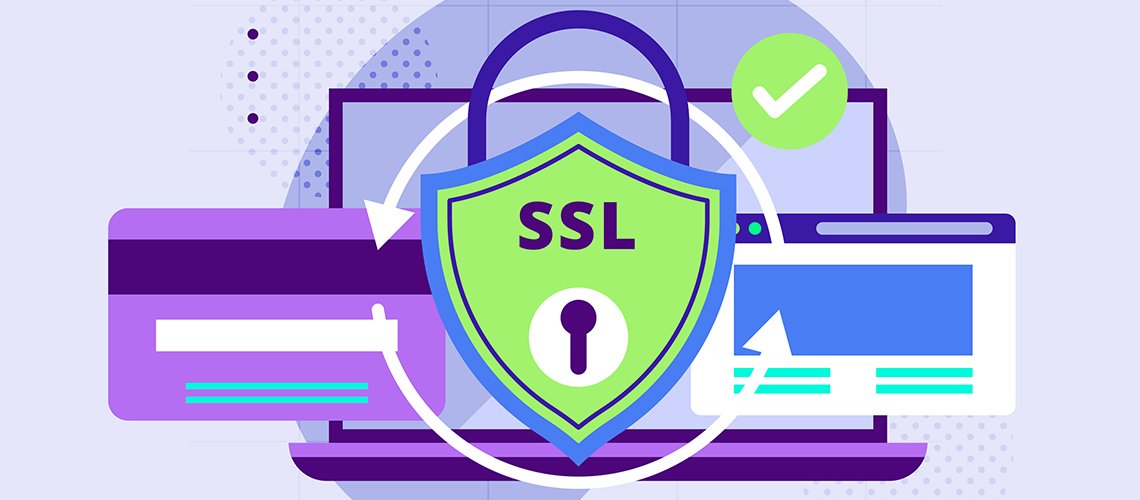
An SSL/TLS certificate encrypts traffic between a visitor’s browser and the web server, making intercepted information significantly harder to read or alter. HTTPS in the address bar indicates that the connection is protected by a valid certificate.
Why SSL Certificates Matter
Credentials, contact-form submissions, payment data and cookies are exposed to unnecessary risk on unencrypted connections. HTTPS supports more than confidentiality: it strengthens visitor confidence, browser compatibility and the technical signals search engines use when evaluating a website.
- Encrypts traffic between the browser and server.
- Helps verify the domain and destination server.
- Prevents modern browser “not secure” warnings.
- Provides a secure foundation for HTTP/2 and modern web capabilities.
Choosing the Right Certificate
A standard domain-validated certificate is sufficient for many corporate websites. Wildcard certificates cover multiple subdomains, while multi-domain certificates protect several domains in one deployment. Organization-validated options can be considered when stronger corporate identity verification is required.
Checks After Installation
Redirect all HTTP traffic to HTTPS, verify that images and scripts no longer create mixed-content warnings, and test the complete certificate chain. Automate renewal and monitor expiry dates. SSL is not a complete security strategy by itself, but it is an essential layer alongside current software, strong access controls, monitoring and reliable backups.
Ask a Question, Leave a Comment
Your email address will not be published. Your comment appears after administrator approval.